
One mistake can leave someone permanently scarred, or worse.
Electrical burns are not just surface injuries. They can be deep, silent, and deadly. And they happen more often than people think.
A typical electrical burn can come from:
- Faulty switches
- Damaged or exposed wiring
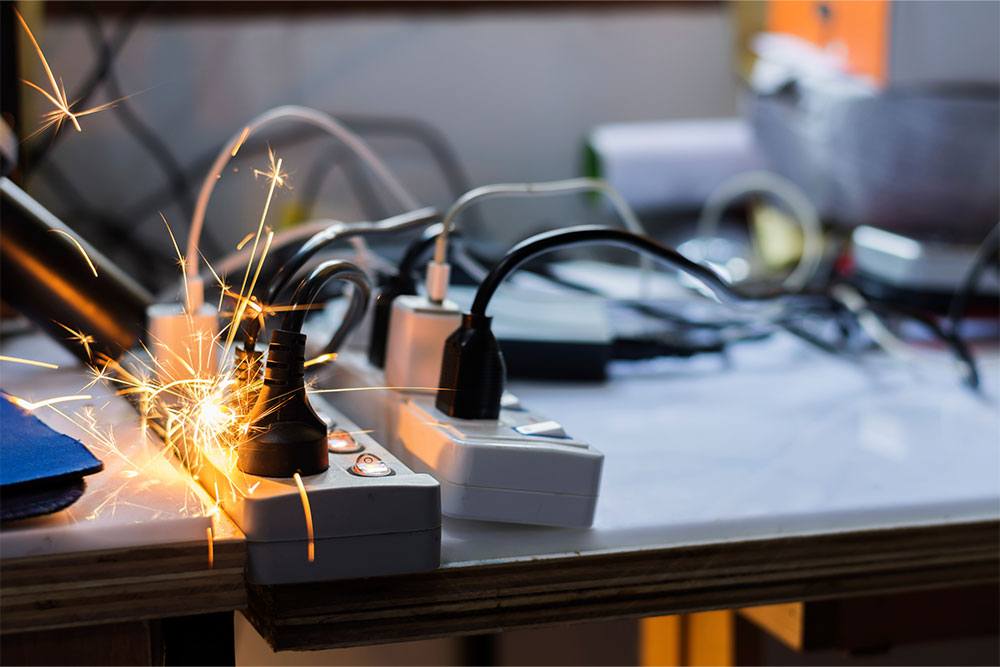
- Overloaded outlets
- Malfunctioning equipment
- Improper use of extension cords
But not all burns are created equal. Here is what you need to know:
Flash Burns
These happen in a blink when electricity arcs from one point to another. They often look mild, but high-current arcs can do real damage quickly.
Arc Burns
More intense than flash burns, arc burns carry extreme heat and pressure. Even without direct contact, the energy released can throw someone across a room.
Thermal Burns
Electrical faults can cause equipment to overheat. Touching it at the wrong moment leads to burns that reach beyond the skin and into muscle.
True Electrical Burns
This is the most dangerous type. Electricity enters the body, travels through tissues, and exits elsewhere. The damage is not always visible, but it can affect nerves, muscles, and organs. A current from hand to hand may pass directly through the heart. That can cause fatal arrhythmias.
So how can you tell how serious a burn is?
- First-degree burns affect only the surface: red, dry skin and pain, but no blisters.
- Second-degree burns blister, swell, and are painfully sensitive.
- Third-degree burns destroy nerve endings. The burn site might feel numb, but the damage is deeper and more severe.
What to do if it happens:
- Disconnect the power source (if safe to do so).
- Check for signs of shock, breathing, and consciousness.
- Cool the burn with cold running water for 10 to 20 minutes. Never use ice.
- Cover it with a clean cloth or sterile bandage.
- Call for medical help. Always. Even mild-looking electrical burns can be deceptive.
Call an ambulance immediately if:
- The injury involved high voltage
- The person is unconscious or struggling to breathe
- The burn is deep or covers a large area
- The person is a child, elderly, or has a medical condition
While waiting for help:
- Start CPR if needed
- Do not remove clothing stuck to the burn
- Do not apply ointments or creams
- Stay calm and clear-headed
Burns are brutal. But electrical burns carry a hidden threat. They might not look serious at first glance, but internally, the body tells a different story.
So let me say this loud and clear:
Every wire, every socket, every tool powered by electricity demands your full attention.
Because you may not get a second chance.