
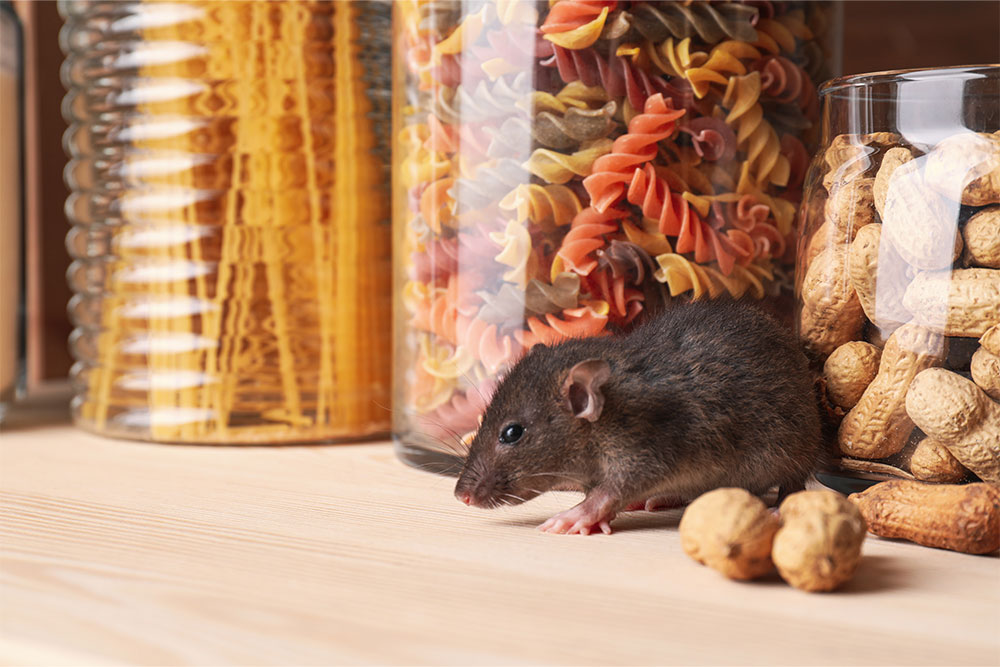
It’s not just bad for business. It’s a breach of your legal obligations.
Under the Australian Food Standards Code – Standard 3.2.2, food businesses are legally required to take all practicable measures to prevent pests from entering, nesting, and breeding in food premises. Failing to do so can result in regulatory action from state and local authorities, including fines, enforced closures, and prosecution.
From a workplace health and safety perspective, model WHS legislation requires you to provide a safe working environment free from health risks – including those posed by pest infestations. Rats, cockroaches, flies, and birds are known carriers of pathogens that can transmit serious illnesses through food and contact with surfaces.
So how do you stay compliant and protect your business?
Here are key pest control strategies that reflect both best practice and legal requirements in Australia:
✅ 1. Integrated Pest Management (IPM)
IPM is a structured approach that combines prevention, monitoring, and targeted treatment.
- Eliminate conditions that attract pests – food debris, standing water, and clutter
- Use traps and monitoring systems to detect early signs of activity
- Apply chemical controls only when necessary and in a controlled, documented manner
✅ 2. Hygiene and Sanitation
Cleanliness is your first line of defence.
- Maintain clean food prep areas, floors, and waste bins
- Dispose of waste frequently and ensure outside bins are sealed and positioned away from entry points
- Keep drains clear, dry, and sanitised
✅ 3. Structural Maintenance and Barriers
Preventing access is essential.
- Seal cracks in walls, floors, and ceilings
- Install fly screens, door seals, and air curtains where applicable
- Fix plumbing leaks promptly to eliminate water sources
✅ 4. Safe Storage Practices
Poor storage attracts pests and increases contamination risk.
- Store ingredients and finished products in sealed, pest-proof containers
- Use FIFO (First In, First Out) stock rotation
- Keep storage areas clean, dry, and well-ventilated
✅ 5. Staff Training and Awareness
Your team is your early warning system. Under WHS Regulations, workers must be trained to:
- Identify pest activity or evidence (droppings, damage, odours)
- Follow waste disposal and hygiene protocols
- Report pest sightings or sanitation issues promptly
✅ 6. Use of Approved Pesticides and Professionals
Chemical use must be safe and compliant.
- Only use pesticides approved by the Australian Pesticides and Veterinary Medicines Authority (APVMA)
- Ensure pest control is carried out by licensed professionals
- Maintain accurate records of all treatments, chemicals used, and follow-up inspections
✅ 7. Monitoring, Documentation and Auditing
Without records, you’re vulnerable during inspections.
- Keep a pest control log that includes inspection dates, treatments, sightings, and corrective actions
- Review pest activity trends regularly to adjust your approach
- Conduct internal or third-party audits to ensure systems remain effective
A proactive pest control system protects your business, your team, and your customers. It also demonstrates your commitment to food safety, compliance, and professionalism.
If you operate a café, bakery, food processing site, or distribution centre – pest control is not optional. It’s part of your duty of care.