
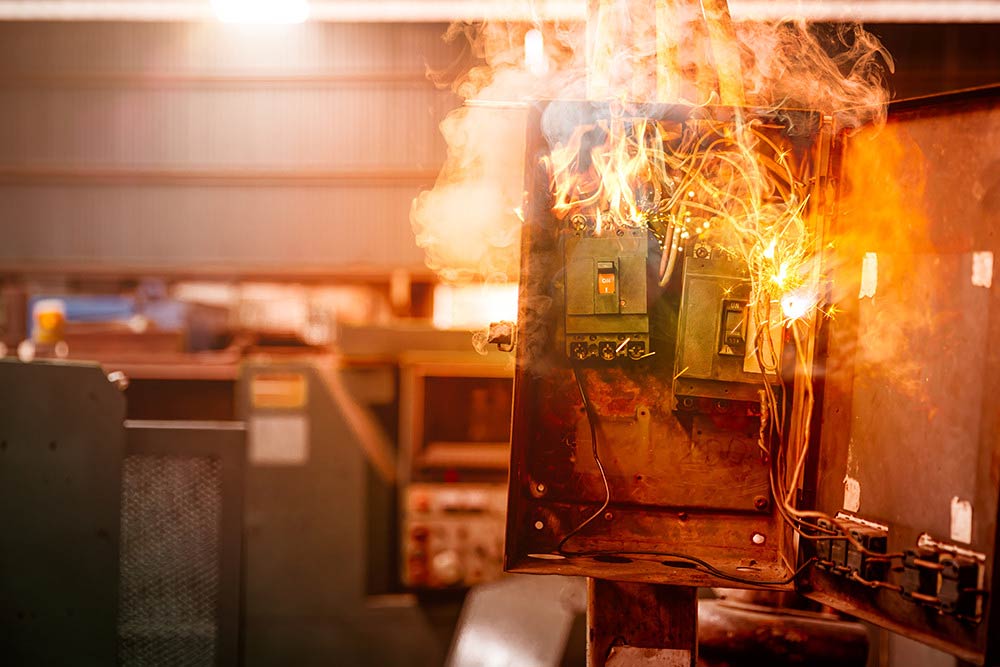
And for many businesses – especially small operations – a single serious fire is enough to end operations permanently.
Under the Work Health and Safety Act 2011, every PCBU (person conducting a business or undertaking) must eliminate or minimise risks to health and safety so far as is reasonably practicable. That includes managing fire hazards.
Yet fire safety is often neglected until it is too late.
So what exactly is a fire hazard?
A fire hazard is any source of heat (ignition), fuel (combustible material), or oxygen that can combine to start or sustain a fire. These three elements form the fire triangle. If you remove just one of them, a fire cannot start – and an existing fire will go out.
While it’s nearly impossible to remove oxygen from our workplaces, we can control ignition and fuel sources. And that’s where fire prevention starts.
Here are 10 common fire hazards you might be overlooking – and how to manage them:
- Combustible Materials
Stacked cardboard, paper, and packaging near heat sources? That’s fuel waiting for a spark.
✅ Store safely, dispose of waste frequently, and keep exits clear. - Overloaded Electrical Sockets
Extension leads daisy-chained together are a silent hazard.
✅ Use a current load calculator and enforce a strict no-overload policy. - Faulty or Unauthorised Electrical Devices
Staff bringing in untested appliances creates risk.
✅ Regularly test & tag equipment. Ban personal devices unless approved. - Heat-Producing Equipment
Portable heaters or hot tools near desks or storage can ignite nearby items.
✅ Keep heat sources clear of flammables and supervise their use. - Cooking Appliances
Toasters, microwaves, and ovens collect grease and crumbs.
✅ Clean regularly, never leave unattended, and inspect for faults. - Smoking in Undesignated Areas
Improperly discarded cigarettes are a leading ignition source.
✅ Designate a clear, well-signed outdoor smoking area far from buildings. - Flammable Liquids and Gases
Paints, aerosols and gas cylinders are dangerous when stored poorly.
✅ Use appropriate cabinets, train staff, and provide spill kits. - Unclear Reporting Procedures
If staff don’t know how or when to report risks, small hazards go unaddressed.
✅ Make reporting simple and part of your daily safety culture. - Poor Housekeeping
Blocked exits, cluttered hallways, and rubbish buildup increase risk.
✅ Tidy workspaces, inspect regularly, and reinforce expectations. - Infrequent or Unpractised Evacuation Drills
Untrained staff panic in an emergency – and lives can be lost.
✅ Conduct drills at least twice a year, ensuring all shifts are included.
Your Legal Duties Under Australian Law
🔥 WHS Regulation 43 requires businesses to implement emergency plans, including fire response procedures and safe evacuations.
🔥 WHS Regulation 42 covers the provision and maintenance of firefighting equipment.
🔥 AS 3745-2010 outlines the Australian Standard for planning and implementing workplace emergency procedures.
So the question is not “Could it happen here?” but rather “Are we ready if it does?”
Fire safety is not just about compliance. It’s about protecting lives, property and your business continuity.
If your fire prevention systems haven’t been reviewed in the past 12 months, or you’re unsure whether your evacuation plans meet legal standards, now is the time to act.