
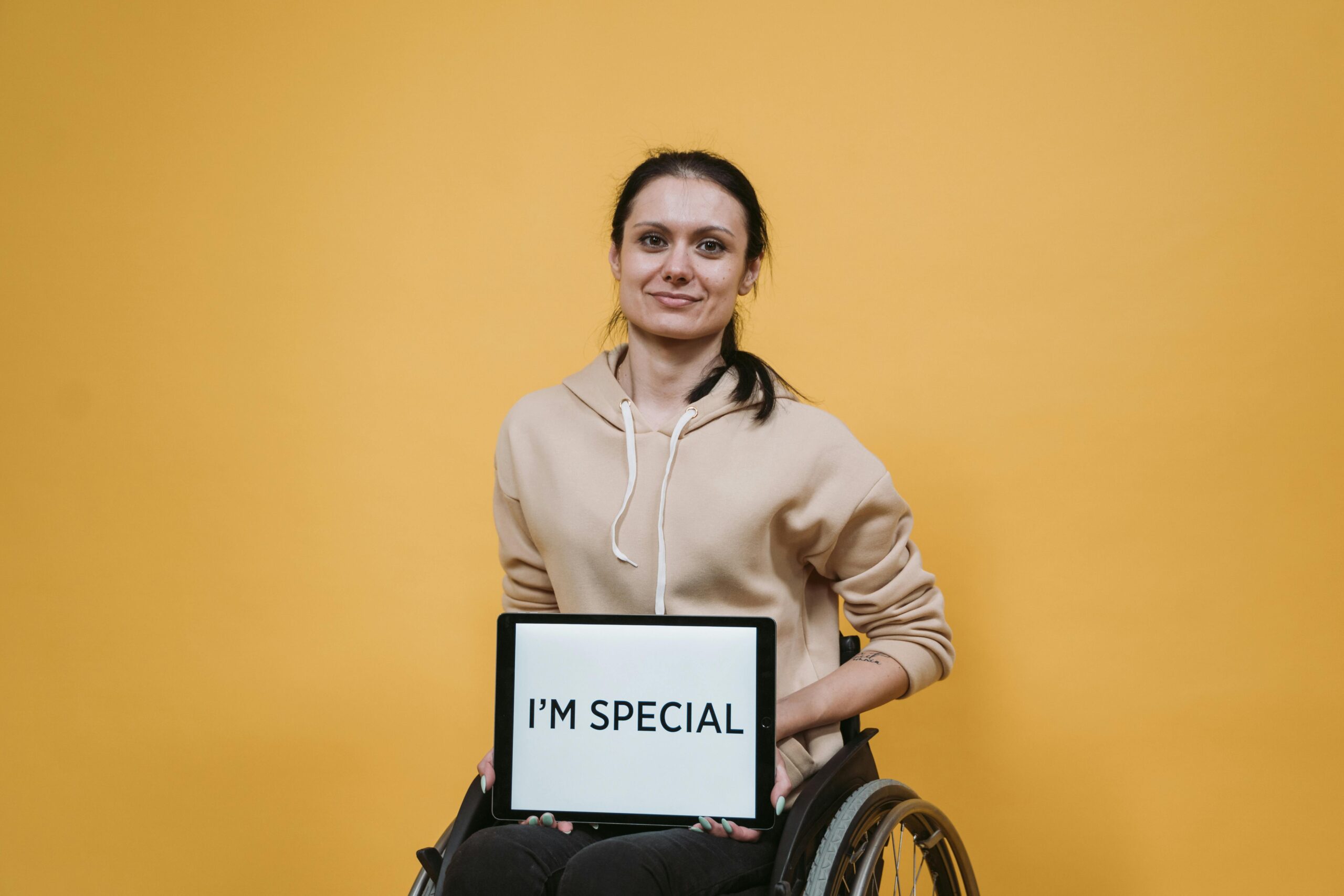
With consistent effort, you can shift your mindset and build a healthier, more positive self-image.
Here are several effective techniques to help you get started:
- Test Your Anxious Predictions
Anxiety often makes us predict negative outcomes that might never happen. It pushes us to avoid situations or take unnecessary precautions. But avoiding things only reinforces the idea that our fears are justified. Start by identifying your anxious predictions, and challenge them. Over time, you’ll find that most of your fears are not as threatening as they seemed, and this can help reduce your anxiety and build confidence.
- Challenge Your Inner Critic
We all have an inner voice, but for many, that voice is overly critical. When this happens, it can feel like you have a “bully” in your mind, constantly pointing out your flaws. Overcoming low self-esteem requires changing how you speak to yourself. Try to shift your inner dialogue from harsh and critical to more supportive and encouraging. With practice, you’ll start feeling more compassionate towards yourself.
- Retrain Yourself to Focus on the Positive
When you struggle with low self-esteem, it’s easy to focus only on your failures and shortcomings. This negative focus distorts your perception and prevents you from seeing your full potential. Instead, make a conscious effort to identify and celebrate your positive qualities. Pay attention to the times when you show kindness, resilience, or success, no matter how small. This shift in focus can help you see yourself more fairly and build a healthier self-image.
- Challenge Your Bottom Line
Your “bottom line” is the belief or assumption you hold about yourself. It may be something like “I’m not good enough” or “I always fail.” Recognizing these patterns is the first step to overcoming them. Treat your bottom line like a hypothesis or an opinion that can be tested. Look for evidence in your daily life that contradicts this belief. Building a new, positive bottom line will take time, but it’s an essential part of changing your self-perception.
- Modify Your Rules and Assumptions
Our self-esteem is often influenced by unspoken rules and assumptions we live by. These rules are often overly strict and unrealistic, leading to unnecessary pressure. For example, you might believe, “I must be perfect in everything I do.” Challenging these assumptions can free you from unnecessary stress. Practice questioning whether these “rules” are realistic or helpful. Often, they are not grounded in reality and can be replaced with more flexible, healthier beliefs.
- Rehearse Positive Aspects of Your Self-Image
Low self-esteem is often linked to how we retrieve memories. When prompted to think about ourselves, those with low self-esteem tend to recall negative traits. This is called “retrieval competition.” To change this, start consciously rehearsing positive traits and experiences that contradict your negative self-image. Use visualization exercises to make these positive traits stand out. Over time, this practice will help shift the balance and make it easier for you to remember your strengths.
Building a Better Self-Image
Overcoming low self-esteem is not an overnight process, but with patience and consistent practice, it’s possible to develop a healthier, more positive view of yourself. Focus on the steps outlined above, and remember: You are worthy of self-compassion, and you have the power to change your mindset.
If this message hits home, help spread it by sharing. Someone else might need this.